
Logistics / Postal / Aviation
Malaysian seafreight forwarder automates order-to-cash from pre-alert to invoice
CLIENT
Malaysian seafreight forwarder
Cadence
Daily cycle

Daily
Process cadence
Client Overview
A Malaysian sea freight forwarder handling between one and five hundred pre-alert emails a day. Ten people spent full shifts re-keying shipment data, hunting down HS codes, and preparing customs declaration files inside a daily deadline.
How the Workflow Runs
The cycle starts the moment a pre-alert email lands and runs through to invoicing, with two human gates in Operations’ hands: confirming shipment terms before a job is booked, and approving the customs package before the customer is notified.
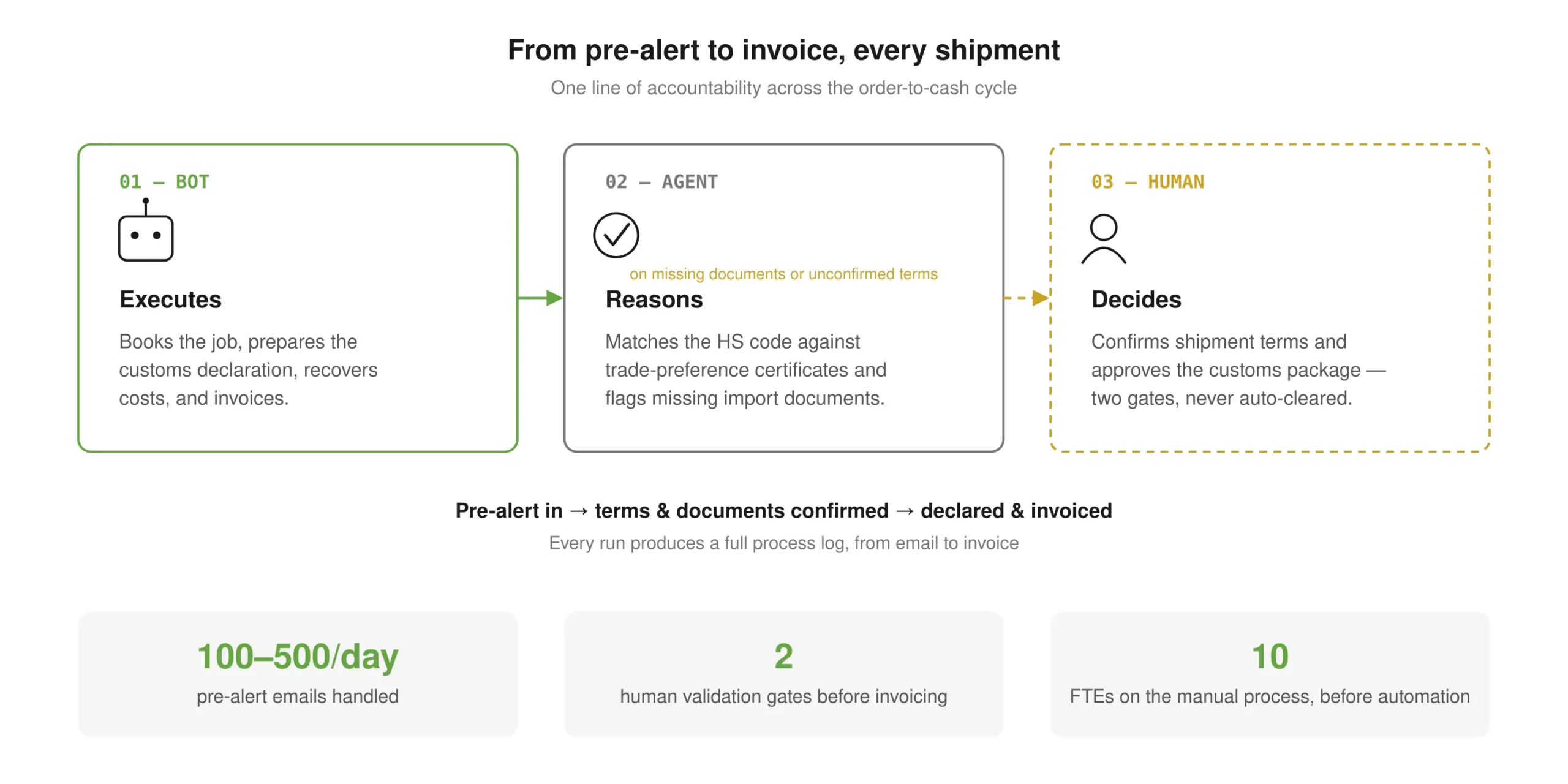
FIG. 01 · Order-to-cash cycle, pre-alert email to invoice
01
Intake & book the job
Bot
The bot checks that the invoice, bill of lading and packing list are complete, then books the job in the freight system.
02
Human checkpoint: confirm terms
Human
Before the job is finalized, Operations reviews the extracted shipment data and confirms terms, the first human gate. Nothing is booked on the bot’s say-so alone.
03
Classify & assemble documents
Agent
The bot matches the HS code on the bill of lading against trade-preference certificates and the classification portal, flagging anything missing back to Operations.
04
Human checkpoint: approve package
Human
Once the document package is complete, a second human gate has Operations approve or reject it before the customer is notified.
05
Declare, recover costs & invoice
Bot
The bot prepares the customs declaration file, applying duty and exemption rules, then moves through cost recovery and terminal charges before generating the costing sheet and invoice.
How Cognitive Consulting helped
- Two gates, not ten. Operations confirms terms before a job is booked and approves the customs package before the customer sees it. Everything between is machine work.
- HS classification was the one risk we would not automate away. The bot assembles the evidence; the judgement stays with the people who carry the regulatory exposure.
- The run logs end to end, so a shipment queried six months later is reconstructed from the record rather than from memory.
OUTCOMES
- Shipment terms confirmed by Operations before a job is booked, never auto committed
- Import documents matched against HS codes and trade-preference certificates, with gaps flagged back to Operations
- Operations approve the customs package before the customer is notified, and every run is logged for audit
RELATED CASE STUDIES